Cracking the Code of one of the World’s most Ancient Languages
3250 BCE
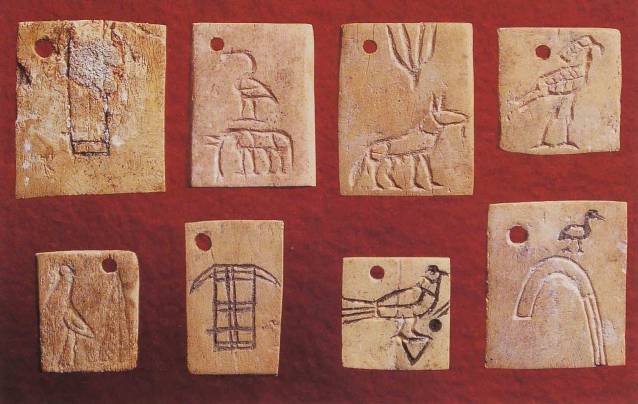
The oldest evidence of phonetic writing in Egypt is from around this time
Bone and ivory tags dated back to 3250 BCE were found in tomb U-j. This marks Egyptian as the second oldest written language next to Sumerian.
30 BCE
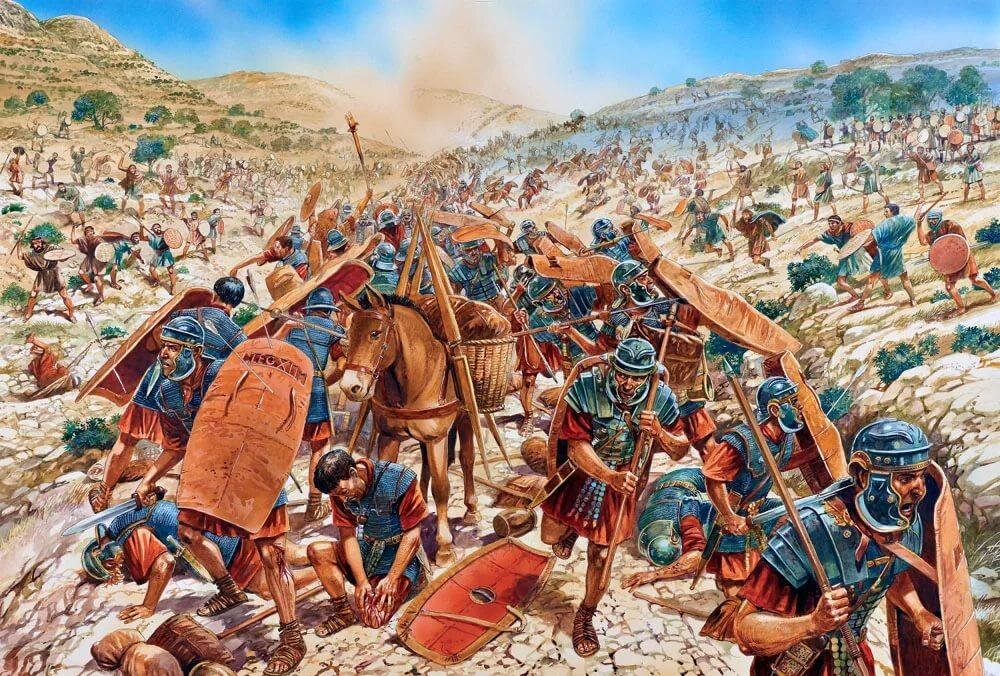
Roman Conquest of Egypt
Egypt is conquered by the Romans at this point. More importantly to the discussion of hieroglyphs is the fact that even by this point in history the knowledge of the writing system had already begun to fade.
393 CE
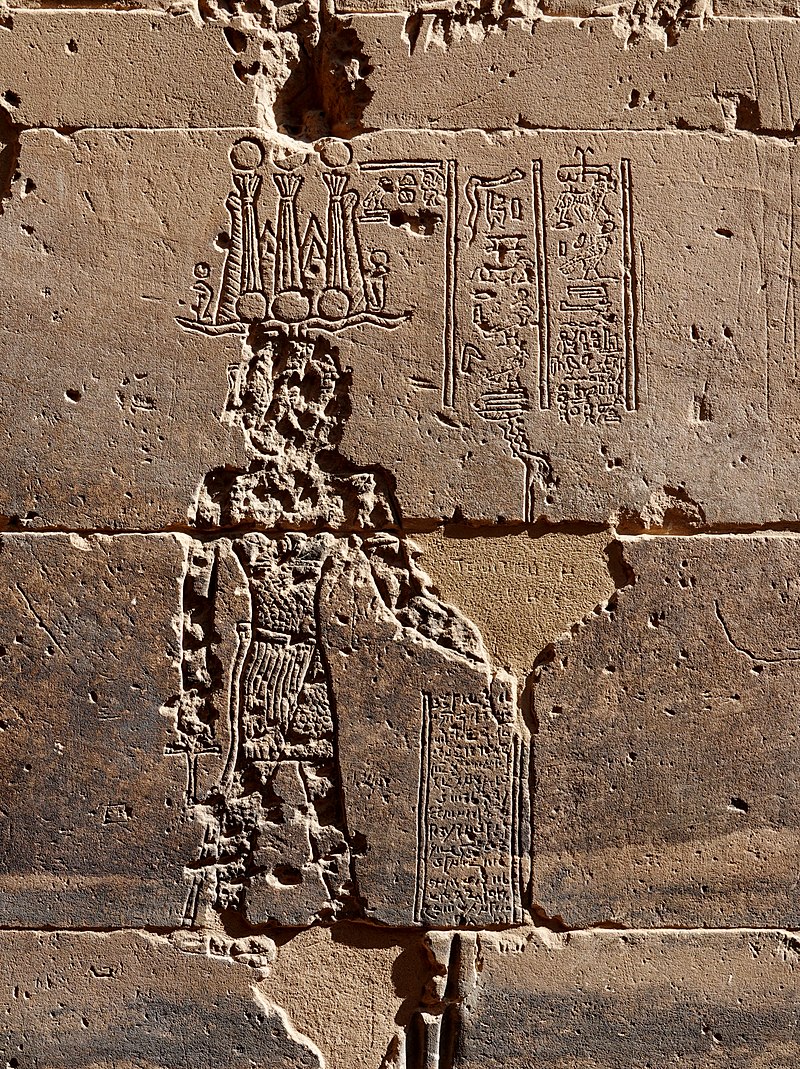
Last known Ancient Egyptian hieroglyphic inscription
The Graffito of Esmet-Akhom is the last known Ancient Egyptian inscription written in hieroglyphs. Around this time the Coptic alphabet became much more common
5th Century CE
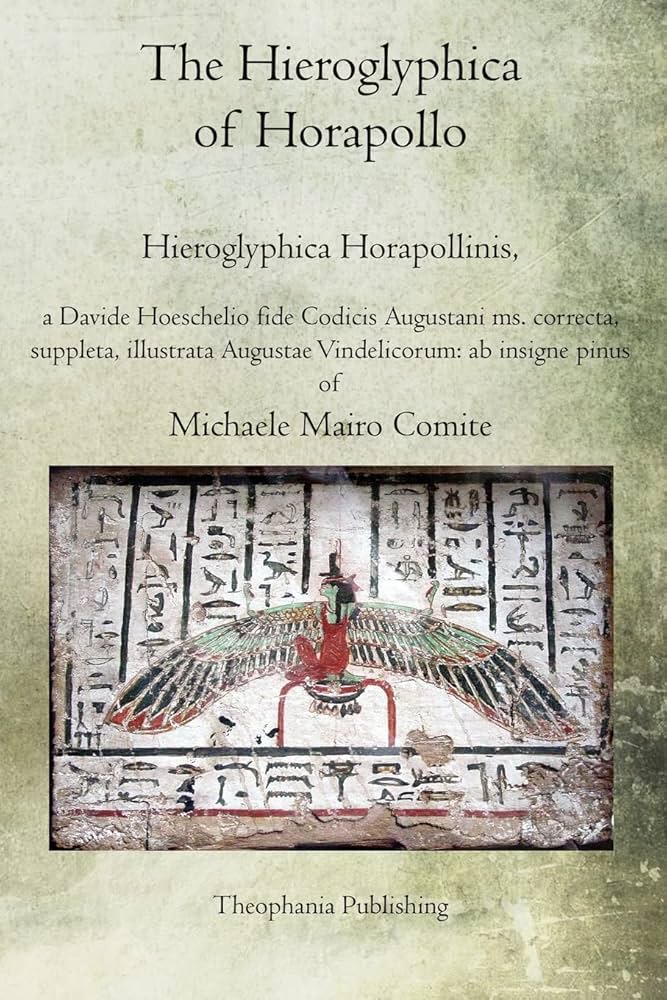
Horapollo’s Hieroglyphica is written
The exact date in which Hiereoglyphica was written remains unknown, but this work offered a wildly inaccurate, but highly influential understanding of hieroglyphs. This book led to the longstanding assumption that hieroglyphs were purely symbolic in nature
Mid 17th Century
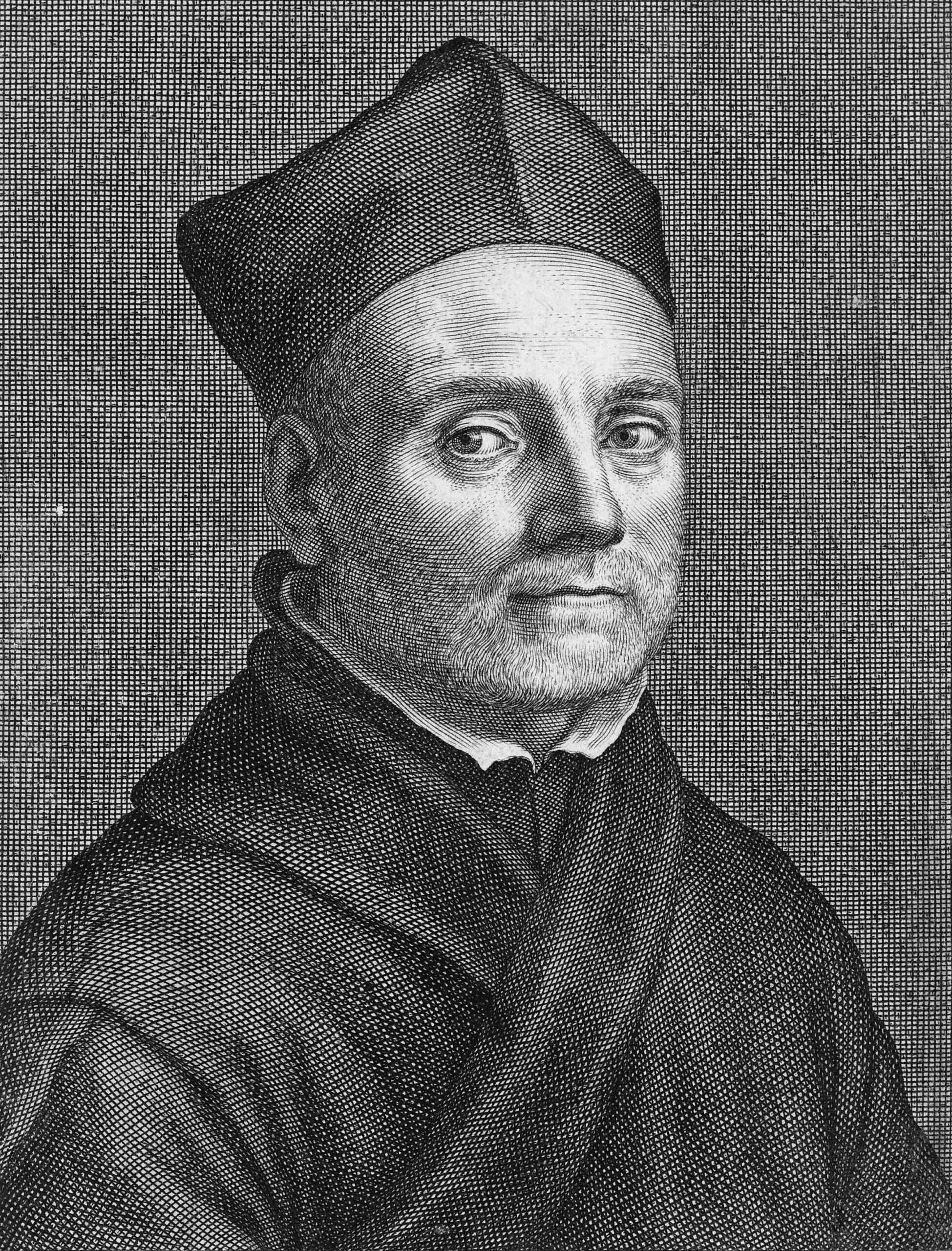
Athanasius Kircher takes steps towards decipherment
Still influenced by Horapollo’s work, Kircher believed in the almost mythical nature of hieroglyphs, but he did make an important connection between the Coptic script and hieroglyphs. It was his work that inspired scholars to begin to view hieroglyphs as capable of conveying both sounds and ideas.
1799
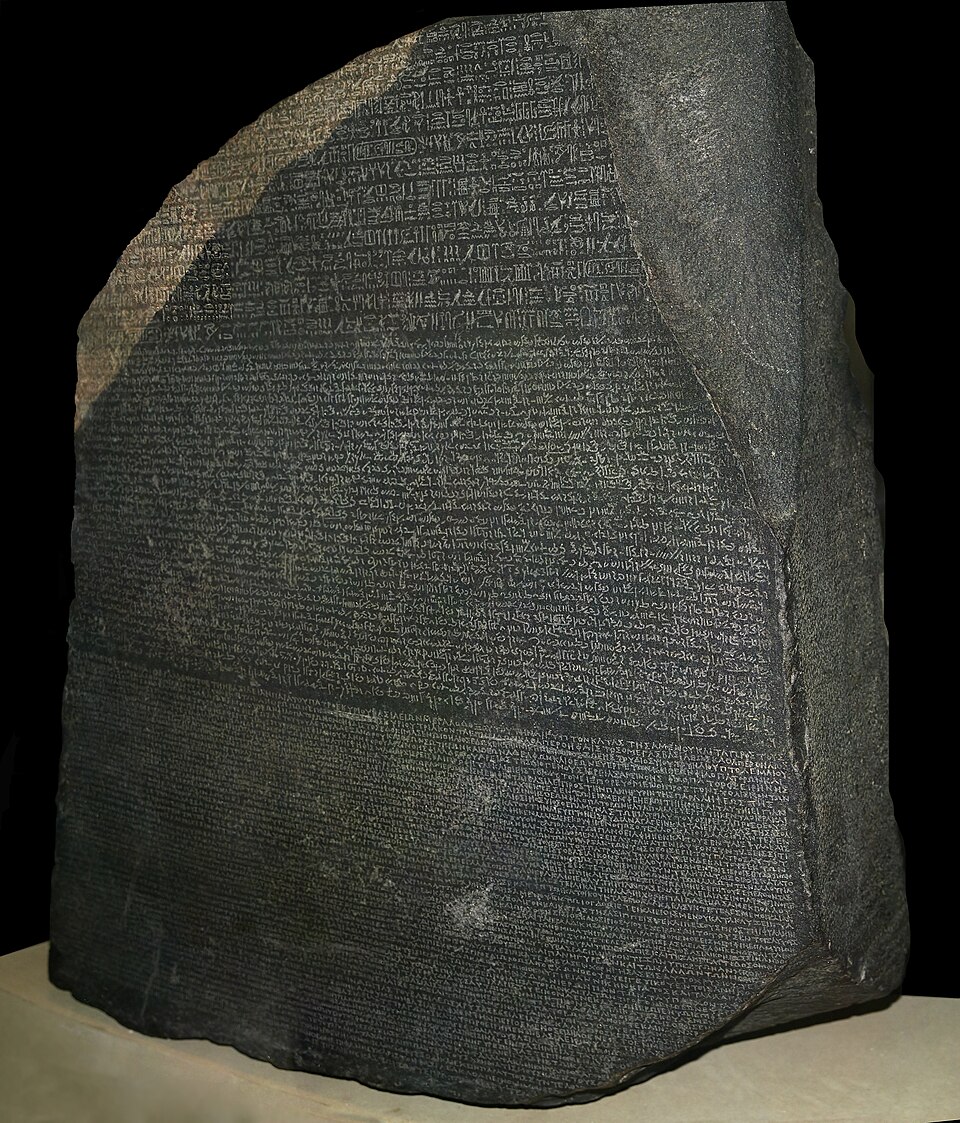
The Rosetta Stone is unearthed
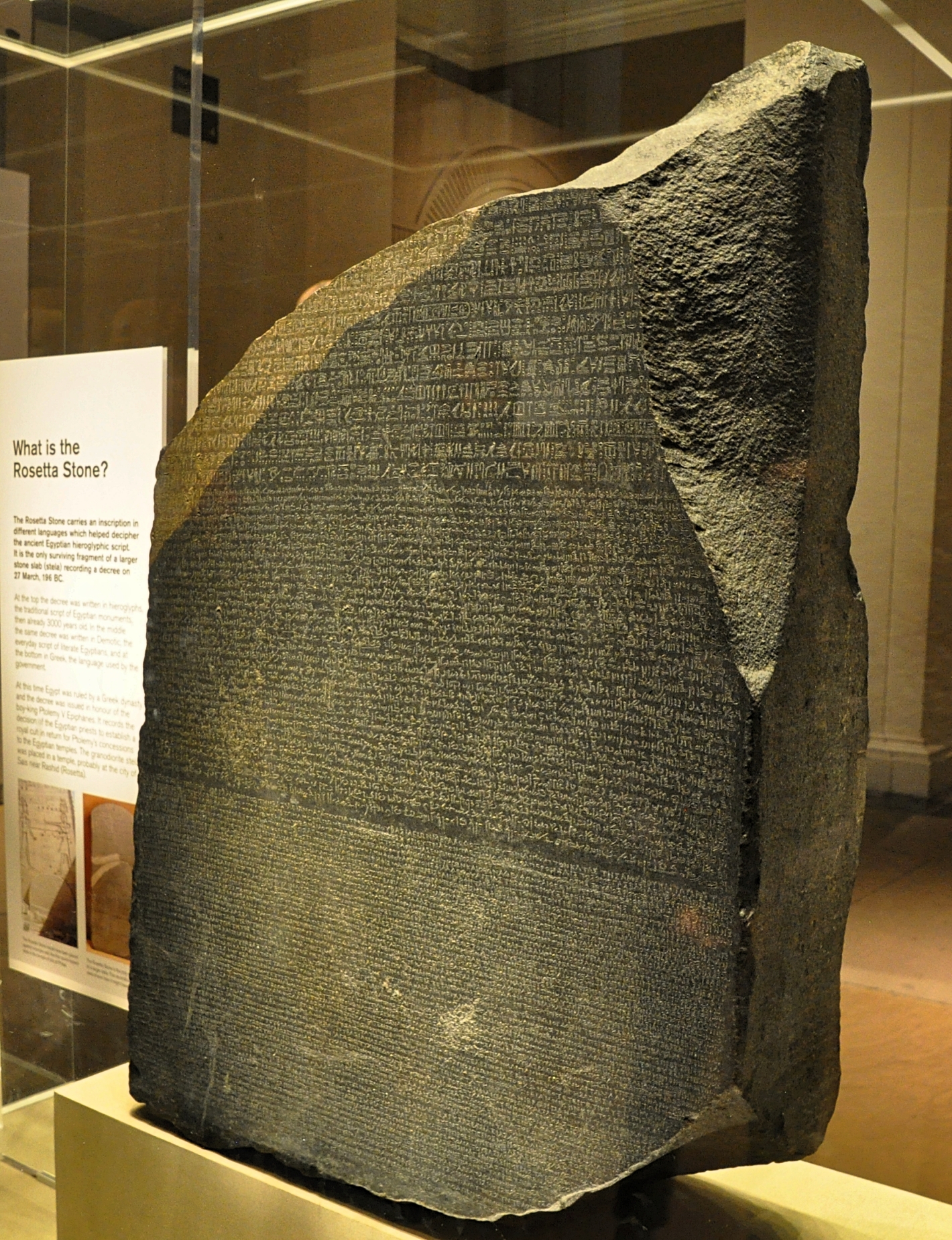
Perhaps the signal most crucial moment in the journey to decipherment, the Rosetta Stone was discovered by French troops doing trenchwork in Egypt. The inscriptions in demotic, hieroglyphs, and Greek proved essential to ultimately deciphering the hieroglyphic script.
1802
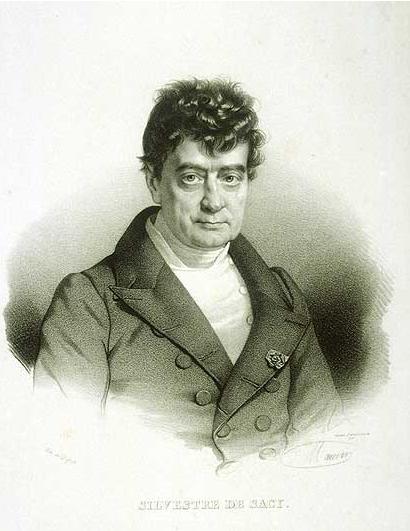
Antoine Silvestre de Sacy and Johan David Akerblad contribute
Those two scholars were among the first to focus on the demotic portion of the Rosetta Stone, operating under the assumption that it was an ancient form of Coptic. It was believed that the demotic script could represent the letters of an alphabet, while at this time the same consideration was not given to hieroglyphics. Work was put into comparing the demotic script to the understood Greek, with de Sacy searching for words in demotic that may correspond to proper names in the Greek. Akerblad later expanded upon de Sacy’s work
1814
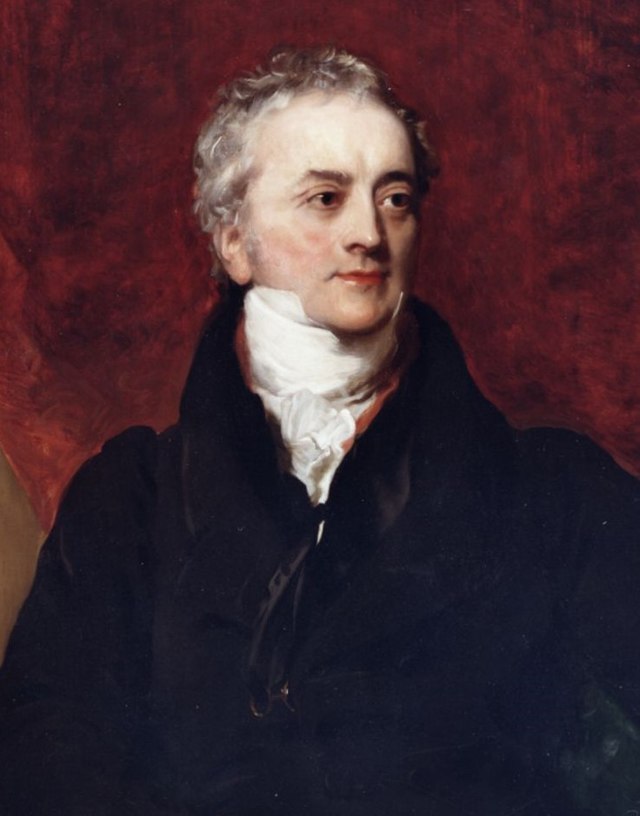
Thomas Young arrives on the scene
Young made the first major advances in the decoding of the demotic script. He correctly managed to ascertain the idea that demotic consisted of both ideographic and phonetic signs. Young also noticed a resemblance between some demotic signs and corresponding hieroglyphs, suggesting to him the possibility that the two scripts were related. Young even managed to read the hieroglyphic name of Ptolemy on the Rosetta Stone by analyzing it phonetically.
1819
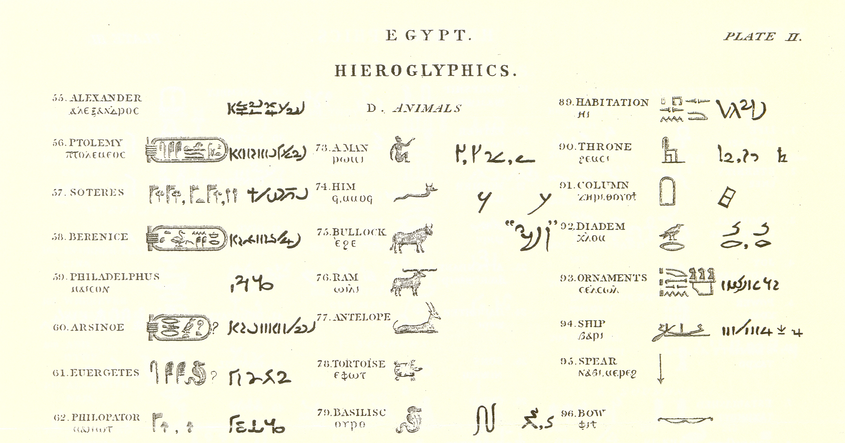
Young publishes his Encyclopedia Britannica article
The point in which Young presents his understanding on the translation of the Ptolemy cartouche. Upon reading this paper later, Champollion, who was on the wrong track, revised his theories and eventually solved the mystery of hieroglyphics
1822
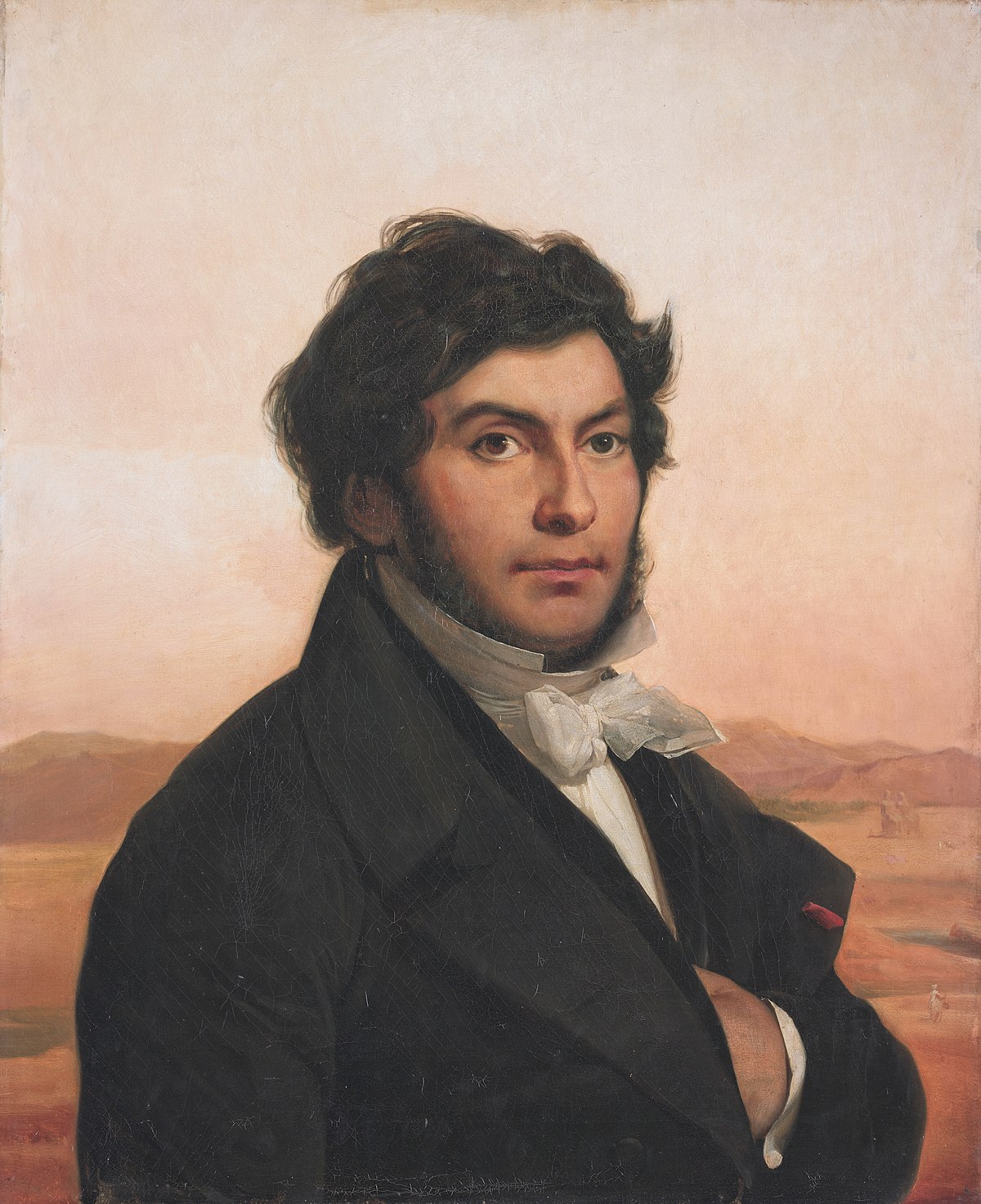
Hieroglyphs are deciphered by Jean Francois Champollion
In part thanks to the scholars that came before him, Jean Francois Champollion deciphers the final pieces of the puzzle. He begins to construct a working alphabet of hieroglyphs, now assured of their phonetic values.
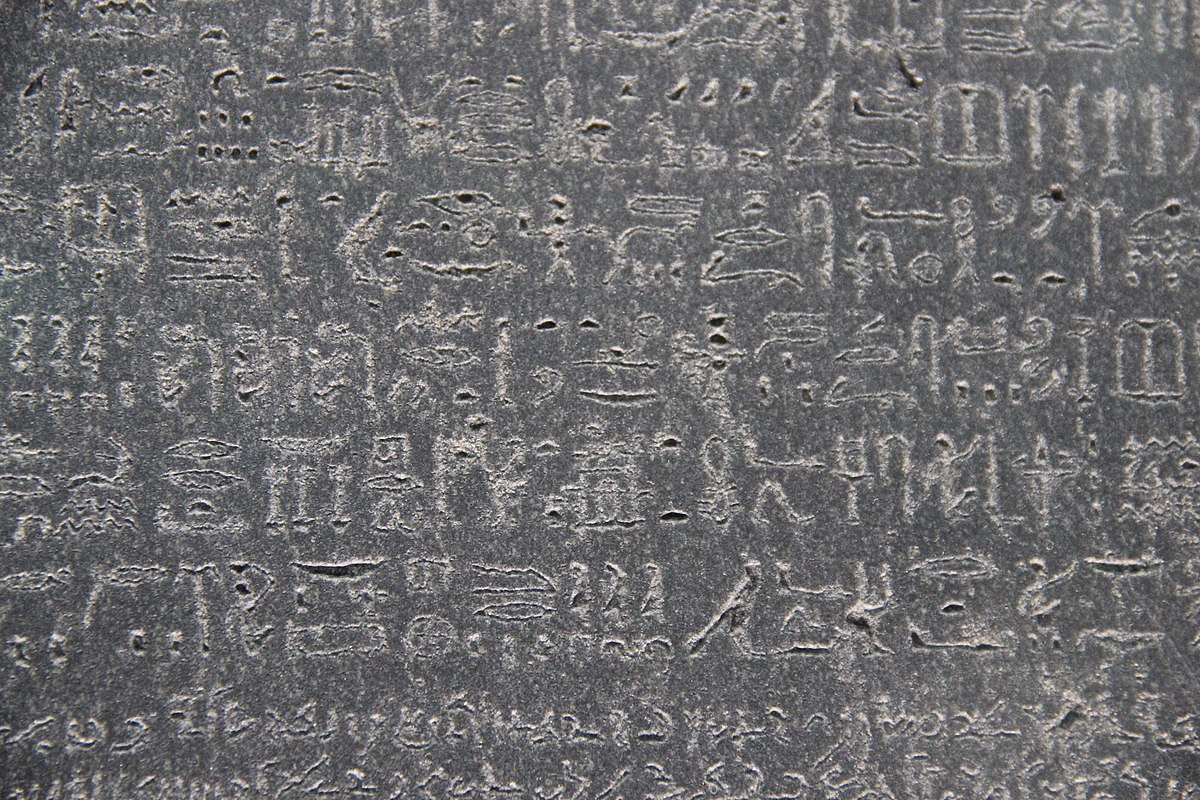
The study of hieroglyphs has fascinated scholars for millennia. Hieroglyphics were viewed as a sort of mystical encoding of ancient wisdom by various civilizations. Both the Romans and Greeks were enamored with the seemingly arcane symbols of hieroglyphs; they sought, without success, insight into the true nature of the hieroglyphic script. The view of hieroglyphics before the discovery of the Rosetta Stone can be seen as a series of speculations sparked by Egyptomania. Ancient scholars attempted translations of hieroglyphics, but they lacked any clear evidence to stand upon. They had no scientific ground, and because of that their translations were rooted in philosophical preconceptions and were quite imaginative rather than accurate. Notable philosophers Pythagoras and Plato held Egyptian writing in high regard, but were falsely convinced that hieroglyphics were made of non-discursive signs that pertained to ideal concepts. Non-discursivity pertains to anything that is not characterized by language, meaning Plato and Pythagoras believed that hieroglyphics were not based on or involving words or logic.
The key to decipherment that scholars sought for centuries would however resurface in the sands of Egypt during the Napoleonic campaigns of the late 18th century. In 1799, while doing trenchwork in the proximity of the village ar-Rasid, the famous Rosetta Stone was found. The stone is inscribed with a decree and proclaims veneration of Ptolemy V Epiphanes by a priestly synod. The text was inscribed into the Rosetta stone in traditional Egyptian hieroglyphs, in demotic Egyptian cursive writing, and lastly in the Greek alphabet. The ability to read the three inscriptions in parallel with each other was a crucial detail that eventually cracked open the entire hieroglyphic language. This discovery set in motion a sequence of events that culminated in the groundbreaking work of Jean-Francois Champollion.
Influential Figures
“The Last Man Who Knew Everything”
Thomas Young is described as “the last man who knew everything” and made landmark discoveries in many different fields. Young was a polymath involved in the fields of physics, optics, mechanics, physiology, linguistics, and musical harmony. He was a polyglot with a knack for languages, and turned his attention to the decipherment of hieroglyphic in the year 1814. Young made the first major advances in the decoding of the demotic script. Young acknowledged the phonetic value of Egyptian hieroglyphs, but falsely believed that those phonetic symbols did not extend into the pharaonic period. He believed that only after Alexander the Great conquered Egypt in 332 BCE did the hieroglyphic script adapt phonetic elements. Young’s acknowledgement of what he believed to be a limited phonetic nature of hieroglyphics turned out to later be an important clue for Champollion. Young himself however failed to apply his discovery further, believing that hieroglyphs remained symbolic unless they appeared as proper names. His view of phonetic writing in hieroglyphs as the exception rather than the rule ultimately hindered his ability to fully crack open the nature of the script. Young did not manage to crack the code, but the foundations he established for Champollion were stronger than any scholar who came before him. It is a point of great controversy as to whether or not Young receives enough credit for his work in solving the mystery of hieroglyphs. Regardless, the man to whom the decipherment of hieroglyphic is often attributed is Jean Francois Champollion.
The Father of Egyptology
Jean Francois Champollion showed his passion for what would become the field of Egyptology quite early. At the age of eleven he began to seriously study Arabic and Hebrew, and poured himself into the study of ancient history and perhaps most importantly to his later successes, the study of coptic. Champollion was driven and focused on a single goal, the decipherment of the Rosetta Stone. His single mindedness set him apart from the multifaceted Young for whom the study of hieroglyphics was a curiosity. Champollion was firmly committed to the decipherment, making it his absolute and sole focus.
Je tiens l’affaire!
Champollion’s breakthrough moment came in September of 1822 when he famously burst into his brother’s office and cried out “Je tiens l’affaire!” or in English “I’ve got it!” Champollion built upon Young’s identification of the cartouche for Ptolemy, and correctly read another cartouche as identifying Cleopatra. This confirmed phonetic values across different names, and now armed with a basic alphabet, he managed to translate a cartouche of the famous pharaoh Ramesses. From there, the entire puzzle had been blown wide open. Champollion submitted a major publication two years later that presented his findings on the decipherment. He demonstrated how Egyptian scripts had always been both phonetic and ideographic. By building upon the efforts of the scholars who came before him, Champollion managed to construct a decipherment of the hieroglyphic system. This breakthrough ultimately helped to establish the field of Egyptology as a whole, and it is for that reason that Champollion is given credit as the founder of the discipline.
Legacy
The decipherment of Egyptian hieroglyphics solved an over thousand year old mystery and allowed for a deeper study of and understanding of ancient Egypt. The script confounded scholars for centuries, with false assumptions and a lack of clear evidence making decipherment extremely difficult. The Rosetta Stone proved to be an essential key, granting scholars a foundation to build upon. It was only through the combined efforts of scholars like Athanasius Kircher, Johan David Åkerblad, Thomas Young, and, most decisively, Jean-François Champollion, that the script was finally deciphered. The decipherment required a myriad of different skills across multiple scholars in order to reach fruition, and in the early 19th century the perfect storm of discovery came together. The achievement goes beyond simply gaining an understanding of language, but rather completely reshaped the understanding of ancient Egypt. It is through the crucial works of the aforementioned scholars that the field of Egyptology evolved and became what it is today.
Learn it yourself!
For those interested, the following sources could help you gain a deeper understanding of the hieroglyphic language yourself!
Collier, Mark, and Bill Manley. How to read Egyptian hieroglyphs: a step-by-step guide to teach yourself. Univ of California Press, 1998.
McDermott, Bridget. Decoding Egyptian hieroglyphs: How to read the secret language of the pharaohs. Chronicle Books, 2001.
